The Evolving Role of Project Management in a Modern, AI-Driven Environment
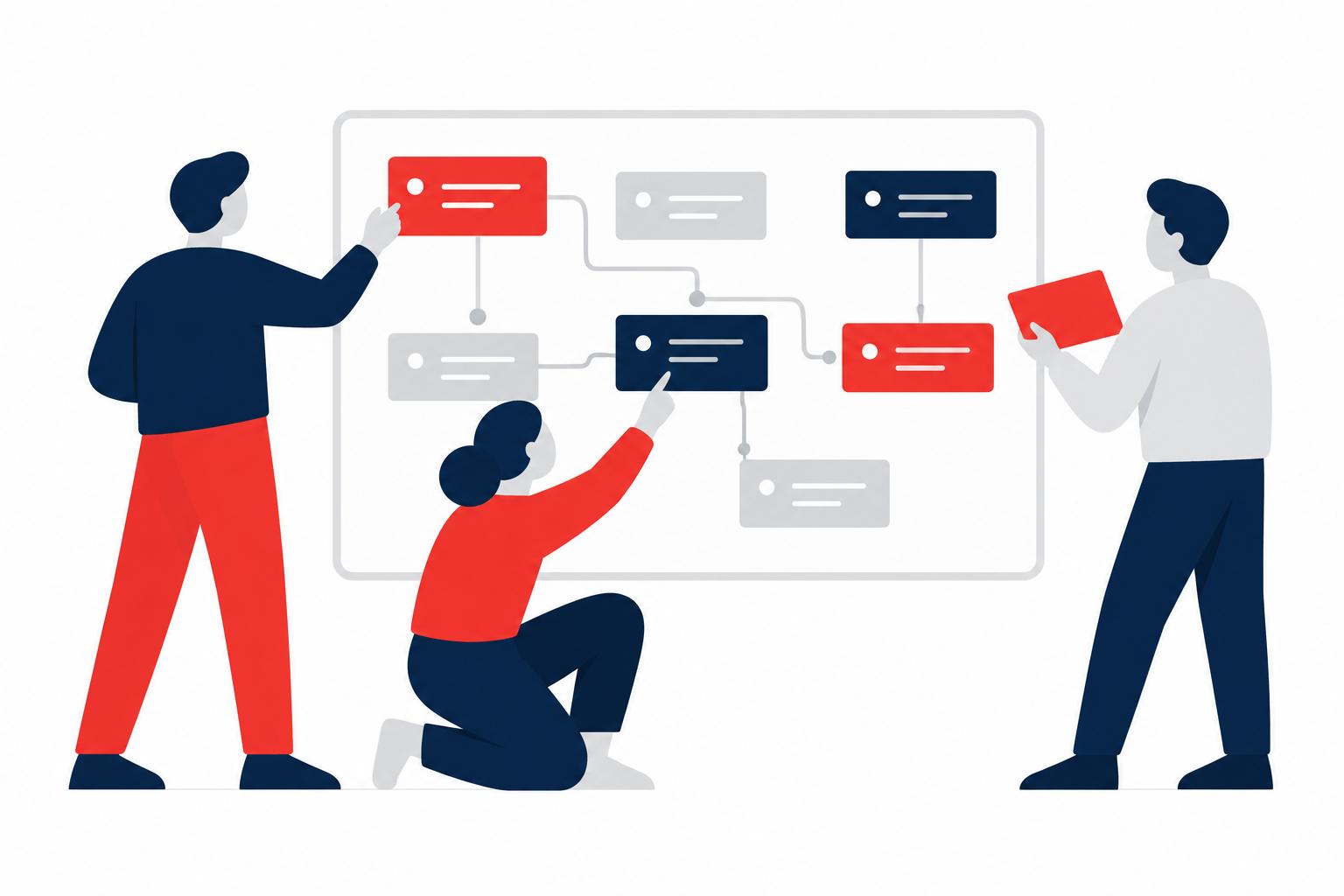
Your project is moving, but nobody seems completely certain what happens next. Deadlines are beginning to slip, decisions are scattered across meetings and messages, one change affects three other tasks, and new AI tools are adding more possibilities without necessarily adding more clarity. That does not automatically mean the team is performing poorly. Projects become difficult to manage when ownership, dependencies, priorities, and expectations stop being visible to everyone involved. Modern project management is increasingly about restoring that clarity while giving a team enough flexibility to respond when circumstances change.
Today’s work environment expects project managers to guide teams through rapid change, cross-functional complexity, technological uncertainty, and increasing time pressure.2 Teams are often asked to accomplish ambitious goals using limited resources while coordinating people with different responsibilities and priorities. In that environment, project management cannot consist merely of paperwork, status reports, and fixed schedules. What is needed instead is a more adaptive approach that combines planning, communication, leadership, and informed decision-making.
Why Project Management Needed to Change
When a project falls behind or loses direction, the consequences reach far beyond the timeline. Teams can lose momentum, client expectations may shift, budgets become strained, and leadership may begin reacting to problems instead of anticipating them.3 People who want to perform their work effectively can also become frustrated when they cannot see how their responsibilities connect with the larger project. Over time, confusion surrounding ownership, priorities, and decision-making becomes an additional cost of the project itself.
The project management philosophy outlined in the PMBOK Guide 7th Edition reflects this changing environment by emphasizing principles, value, adaptability, and outcomes rather than relying solely upon rigid procedural mechanics.1 Project managers are increasingly expected to help teams work through uncertainty, evaluate changing conditions, and connect individual activities with broader organizational goals. Their role, therefore, extends beyond administering tasks and becomes part of the strategic direction of the project.
What Modern Project Management Looks Like
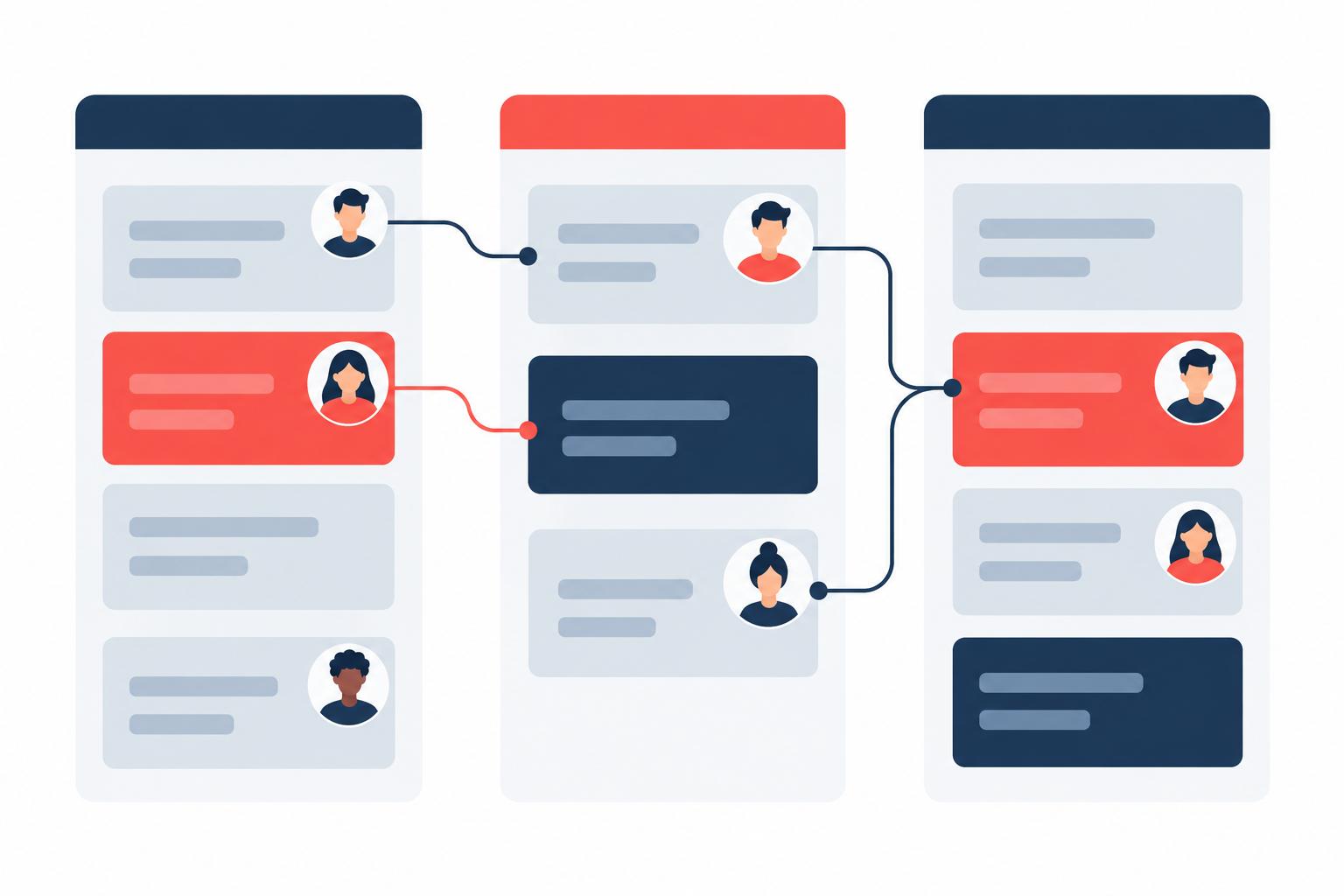
A modern project manager provides clarity when expectations become difficult to manage and direction when a team is uncertain about what should happen next. The process does not necessarily begin with specialized software or an elaborate project management system. It begins by making the purpose, responsibilities, dependencies, and expected outcomes of the project visible to the people involved.
Start by Defining What “Done” Means
Before choosing software, building reports, or introducing AI tools, the team should agree upon what the project is intended to accomplish. Identify the expected deliverable, the people who have authority to approve it, the constraints affecting the work, and the criteria that will determine whether the project has succeeded.
If different members of the project team provide different answers to those questions, the project already has an alignment problem. Adding more tools will usually create more activity rather than more clarity. A shared understanding of purpose gives the project a stable foundation and helps prevent small misunderstandings from becoming larger problems later.
Build a Plan That Can Change
Planning remains essential, but a useful project plan should function as a working strategy rather than a fixed contract. It should show what work must occur, who owns that work, what tasks depend upon other tasks, what resources are available, and which risks could change the direction of the project.
For a relatively small project, the solution may be straightforward. A shared task board, clearly assigned responsibilities, realistic deadlines, and a short recurring status review may provide all of the structure the team needs. If everyone understands what happens next and problems can be identified before they disrupt other work, there may be no reason to introduce a more complicated project management framework.
As conditions change, however, the project plan should change with them. A useful plan helps people think through decisions and consequences; it should not prevent a team from adapting simply because the original plan said otherwise.
Support Execution With Real Communication
Projects frequently encounter their greatest challenges during execution because this is where planning meets actual conditions. Technical specialists, leadership, clients, vendors, and other stakeholders may each see the project from a different perspective. Without consistent communication, one group may make a reasonable decision without realizing how that decision affects another part of the project.
The project manager becomes the connecting point between these perspectives. Communication should move in more than one direction. Leadership still retains decision-making authority where appropriate, but the people performing the work often possess information that is essential to making those decisions effectively. A modern project environment therefore depends upon reciprocal communication rather than information flowing exclusively from the top downward.4
Monitor the Project Without Policing the Team
Progress needs to be measured accurately, honestly, and transparently. Monitoring should help answer practical questions: Are important tasks being completed? Are dependencies creating delays? Has a new risk appeared? Is the project still operating within its available time, budget, and resources?
Monitoring is not about watching people for the sake of control. It is about understanding the reality of the project early enough to respond while the problem is still manageable. When risks or obstacles appear, the project team should be able to adjust without losing unnecessary momentum.
Close the Project in a Way That Improves the Next One
A project should not simply disappear when the final deliverable is completed. A thoughtful closeout process turns the experience into useful organizational knowledge. The team should review what worked, what caused difficulty, which assumptions proved incorrect, and what should be handled differently during future projects.
Lessons learned from one project can strengthen planning and decision-making during the next. Over time, this creates an internal body of experience that allows the organization to recognize recurring risks, improve estimates, avoid repeated mistakes, and make more informed decisions when similar circumstances emerge.
The Role of AI in Project Management Today
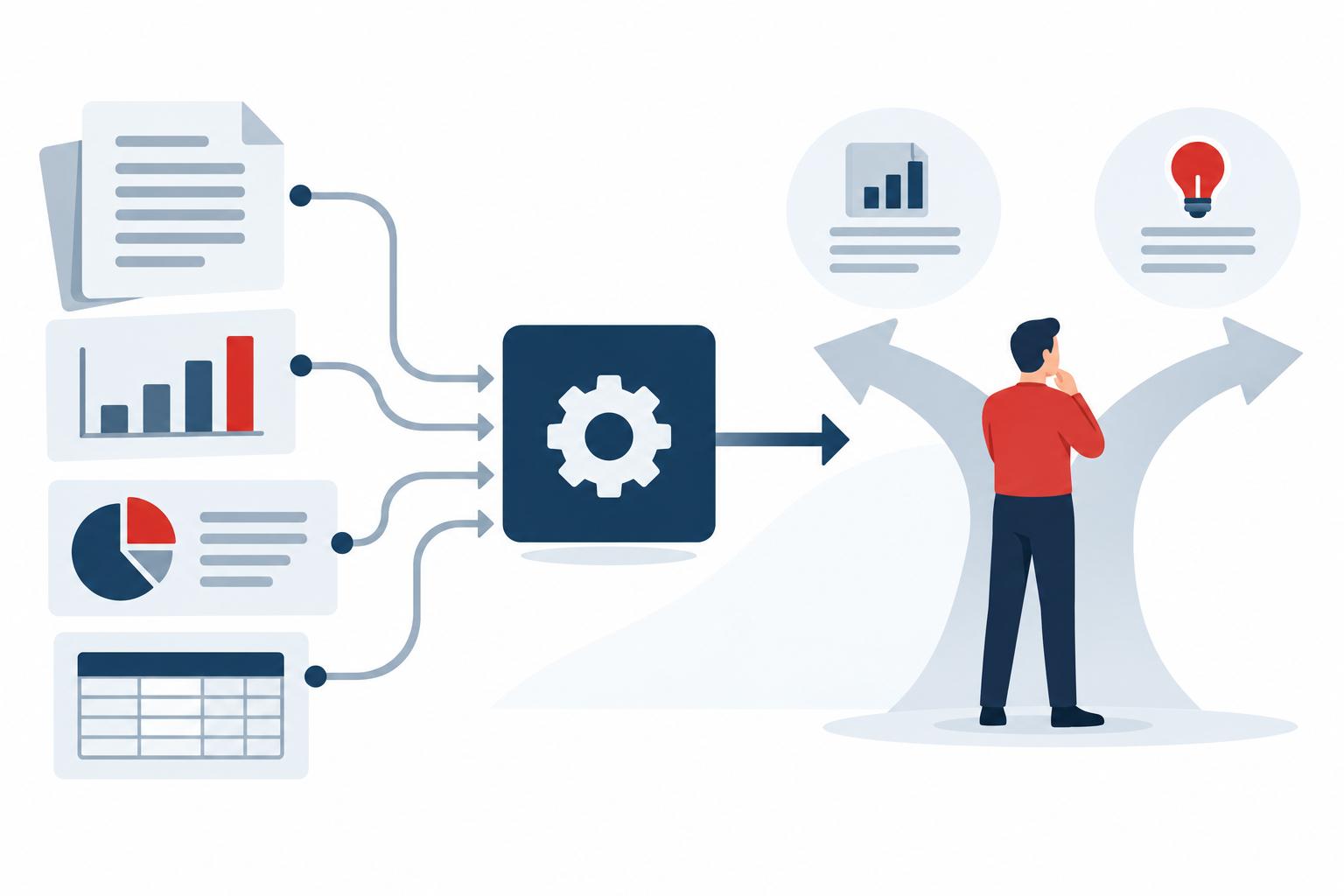
Artificial Intelligence can strengthen project management by supporting better decision-making, but it should not replace human judgment. AI is particularly useful when it removes repetitive administrative work or helps people recognize patterns within information that would otherwise require considerable time to examine manually.
For example, AI tools may assist with summarizing status information, organizing meeting notes, drafting routine reports, comparing schedules, identifying recurring issues, examining project risks, or reviewing resource capacity. Those uses allow project managers and technical specialists to spend more time resolving problems, communicating with stakeholders, and making decisions that require context.
AI should not become the unreviewed authority for decisions involving project scope, personnel, client commitments, sensitive information, security, or other matters that require human accountability. The value of AI does not come from allowing technology to “run” the project. Its value comes from helping people organize information, identify possible problems earlier, and make better-informed decisions.
A productive human-AI partnership therefore keeps people responsible for judgment while using technology to reduce unnecessary administrative effort. Developers, analysts, project managers, and leadership teams can focus more attention on work that requires creativity, technical expertise, communication, and strategic thinking.
When a Simple Project Process Stops Being Enough
Not every project needs formal project management. If a small team can define the outcome, assign responsibilities, track a manageable number of tasks, and communicate changes without confusion, a lightweight process may work perfectly well.
Complexity begins to change the calculation when a project crosses multiple teams, vendors, technologies, budgets, or decision-makers. The same is true when dependencies become difficult to follow, priorities continually compete with one another, or a delayed decision begins creating additional work elsewhere in the project.
At that point, the cost is no longer limited to an untidy task list. Delays consume labor, rework consumes budget, unclear ownership creates duplicated or missed work, and technical decisions can begin affecting systems or stakeholders that were not considered when the decision was originally made. Continuing without a coordinated structure can ultimately cost more than establishing one.
Conclusion
Modern project management blends structure with adaptability and technology with human judgment. The objective is not to make every project more complicated. The objective is to apply enough structure that people understand what they are trying to accomplish, what must happen next, who is responsible for it, and how changes will affect the rest of the work.
AI can make that process more efficient by organizing information, reducing repetitive work, and helping teams recognize patterns or risks earlier. Human leadership remains responsible for providing context, evaluating consequences, communicating decisions, and determining which course of action best supports the project’s goals.
If your technology project has reached the point where scattered tasks, dependencies, competing priorities, or changing technical requirements are becoming difficult to coordinate, call Desert Computer Agents at (760) 760-4096. We can help you examine the project, identify where the complexity is creating unnecessary cost or delay, and determine a practical path forward.